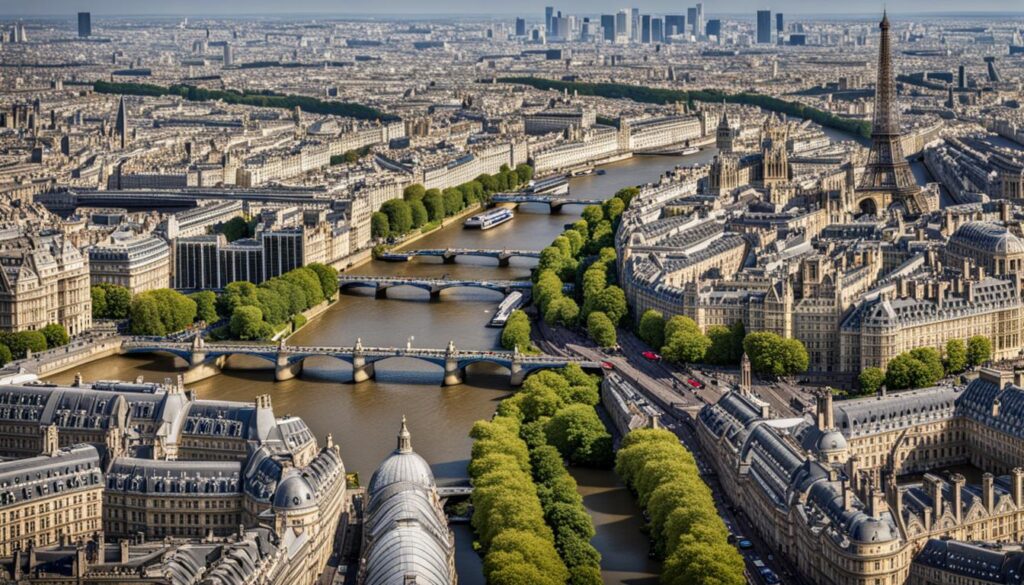



Having trouble deciding between London and Paris for your future holiday? It’s indeed a challenging choice, with each city possessing its unique charm. Our comprehensive 2024 Comparison Guide of London vs Paris is designed to help you make an informed decision. We’ll explore in-depth the individual characteristics, must-visit sites, and unique experiences that each city has to offer. Prepare to immerse yourself in a journey that promises breathtaking beauty, cultural richness, and unforgettable memories.
Table of Contents
ToggleLondon or Paris – A Quick Overview
London and Paris, two of the world’s most iconic cities, each offer a unique blend of historical allure and modern sophistication. Here’s a quick overview of what each has to offer:
London, the capital city of England, is a vibrant metropolis brimming with history, culture, and diversity. It’s home to renowned landmarks like the Tower of London, Buckingham Palace, and the London Eye. The city’s vast parks, world-class museums, bustling markets, and innovative food scene add to its appeal. London’s theatre scene is also globally acclaimed, with West End shows drawing visitors from around the world.
Paris, the ‘City of Lights’, is famed for its romantic charm, chic fashion, and world-class cuisine. Iconic landmarks such as the Eiffel Tower, Louvre Museum, and Notre-Dame Cathedral dominate the cityscape. Paris also boasts charming cobbled streets, quaint cafes, stylish boutiques, and an impressive array of art galleries and museums. The city’s culinary scene, featuring everything from gourmet dining to delightful patisseries, is a gastronomic delight.
Both cities are steeped in history and culture, offering endless opportunities for exploration and discovery. Whether you’re drawn to London’s eclectic vibe or Paris’s romantic aura, both cities promise unforgettable experiences.
London
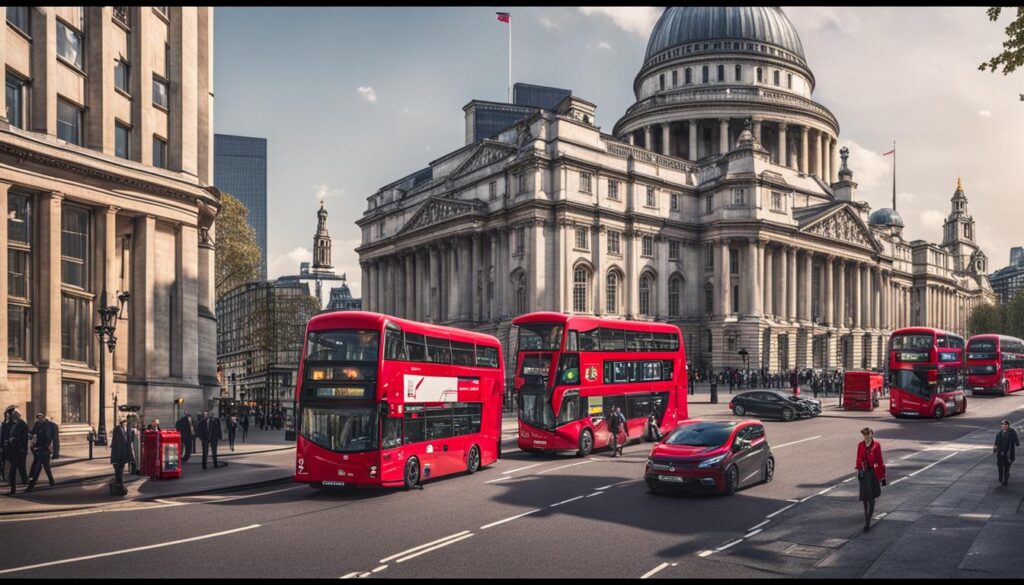
London, the bustling capital of England and the United Kingdom, is a city that combines historical grandeur with modern vibrancy. It’s one of the most populated cities in the world, home to a diverse mix of cultures and communities.
Nestled on the banks of the River Thames, London boasts an array of iconic landmarks. The Tower of London stands as a testament to the city’s rich history, while Buckingham Palace represents the enduring allure of the British monarchy. The London Eye, a giant Ferris wheel offering panoramic views of the city, is another must-visit attraction.
London is also a green city, with numerous parks and open spaces. Among them, Greenwich Park stands out for its stunning landscapes, beautiful gardens, and historic significance.
The city’s cultural offerings are vast and varied. Museums and art galleries abound, showcasing everything from ancient artifacts to contemporary art. London’s theatre scene, particularly the renowned West End, is a world leader, offering a wide range of shows and performances.
In terms of current happenings, London continues to evolve and grow. There’s talk of new theme parks under construction, and London’s hotels continue to garner international acclaim. However, the city also faces challenges, such as fluctuations in the housing market that affect both locals and investors.
Whether you’re drawn to its historical sites, cultural attractions, or simply the buzz of city life, London offers a unique and unforgettable experience.
Paris
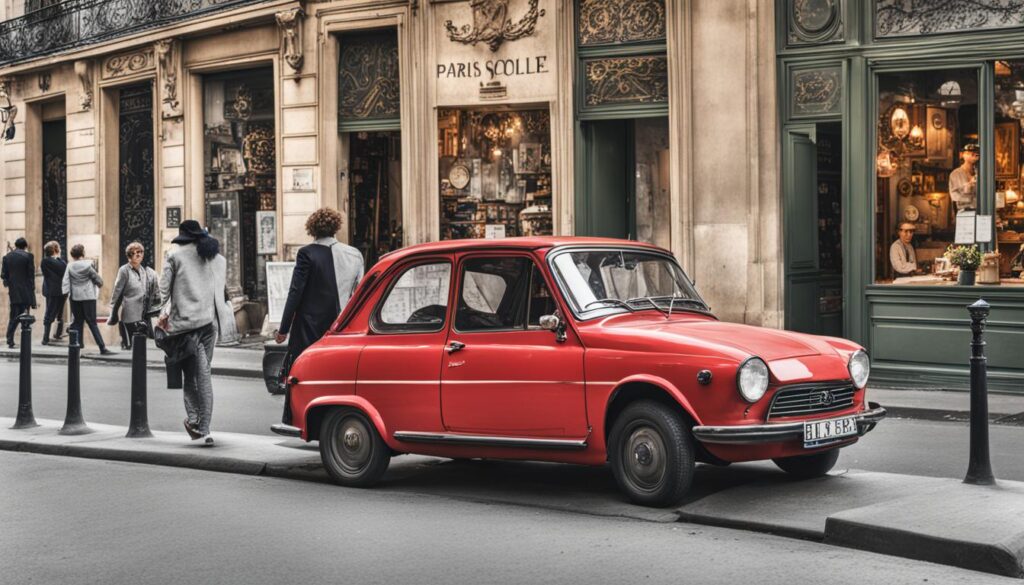
Paris, often referred to as the ‘City of Light’, is the capital of France and one of the most famous cities in the world. Known for its romantic allure, artistic charm, and culinary delights, Paris is a city that captures the hearts of millions.
The city is home to an array of iconic landmarks. The Eiffel Tower, standing tall above the cityscape, is a symbol of French innovation and elegance. The Louvre Museum, one of the largest and most visited museums in the world, houses thousands of works of art, including the Mona Lisa. Notre-Dame Cathedral, with its gothic architecture and stunning stained glass, is another must-see.
Paris is not just about grand landmarks. The city’s charm also lies in its quaint neighborhoods, like Montmartre with its bohemian history and the chic Marais district with its stylish boutiques and cafes. Strolling along the Seine River at sunset or through the cobbled streets of these neighborhoods is quintessentially Parisian.
The city’s cultural scene is vibrant and diverse, with a multitude of museums, galleries, and theaters offering a rich tapestry of experiences. Paris is also known as a hub of fashion, hosting prestigious events such as Paris Fashion Week.
The gastronomy in Paris is world-class. From the flakiest croissants and pastries in charming patisseries to gourmet dining in Michelin-starred restaurants, the city offers a culinary journey like no other.
Despite modern developments and challenges, Paris retains its timeless charm and elegance. Whether you’re visiting for the art, the food, the history, or simply the Parisian way of life, the City of Light never fails to enchant and inspire.
Culture and History
London and Paris, two of the world’s most iconic cities, are rich in culture and history, each offering a unique perspective on Europe’s past and present.
London, the capital of England and the United Kingdom, has a history that dates back to Roman times. It has always been a significant player on the global stage, influencing arts, education, fashion, and commerce. The city houses numerous historical sites, including the Tower of London, Buckingham Palace, and the British Museum, each telling a different part of the city’s story. London also boasts a vibrant arts scene, with the West End theatre district offering world-class performances and an array of galleries showcasing works from global artists. The city’s multicultural nature is also reflected in its diverse food scene, where you can find everything from traditional British fare to dishes from around the world.
Paris, the capital of France, often referred to as the ‘City of Light’, is renowned for its romantic allure and cultural vibrancy. Its history is deeply intertwined with the arts, making it a hub for writers, painters, and philosophers. Landmarks like the Louvre Museum, Eiffel Tower, and Notre-Dame Cathedral are not just tourist attractions, but symbols of French history and culture. Paris is also synonymous with fashion and gastronomy, hosting prestigious events like Paris Fashion Week and boasting an array of Michelin-starred restaurants. The city’s neighborhoods, like Montmartre and Marais, each have their own unique charm and history, adding to the city’s cultural richness.
Despite their individual characteristics, both cities share a love for preserving their history and celebrating their culture. Whether it’s through architecture, theater, art, or food, London and Paris continue to captivate residents and visitors alike with their storied pasts and vibrant presents.
Climate and Geography
London and Paris, while geographically not too far apart, each have unique climate and geographical characteristics.
London, located in the Southeast of England, is situated on the River Thames. Its geographical location means it experiences a maritime climate with regular but generally light precipitation throughout the year. Winters are relatively cold with temperatures often near freezing, but snow is infrequent. Summers are generally warm with temperatures typically in the low to mid 20s degrees Celsius (70s degrees Fahrenheit), though heatwaves can push temperatures above 30 degrees Celsius (86 degrees Fahrenheit).
Paris is located in north-central France, and its climate is described as oceanic, which is slightly different from London’s maritime climate. Like London, Paris experiences mild summers and cool winters, but it has less rainfall overall compared to London. Summer temperatures typically range from the mid to high 20s degrees Celsius (mid 70s to low 80s degrees Fahrenheit), and occasionally reaching into the 30s degrees Celsius (90s degrees Fahrenheit). Winters can be chilly with temperatures often dropping to around freezing.
In terms of geography, both cities have a number of notable features. London is characterized by its iconic River Thames, and features a variety of landscapes, from the urban jungle of the city center to the expansive green spaces like Hyde Park and Richmond Park.
Paris is situated on the Seine River, and is known for its flat terrain and compact layout, which makes it ideal for exploring on foot or by bicycle. The highest point in the city is Montmartre, a historic and artistic neighborhood offering stunning views over the city.
Both cities are also surrounded by regions of natural beauty. London is a short journey from the rolling hills of the English countryside, while Paris is close to the picturesque regions of Normandy and the Loire Valley.
Attractions and Entertainment
Both London and Paris are globally renowned for their attractions and entertainment, offering a wide array of experiences that cater to all kinds of interests.
In London, history enthusiasts can explore the Tower of London, Westminster Abbey, or the British Museum. Art lovers can visit Tate Modern or the National Gallery, while theatre goers are spoilt for choice with the West End offering everything from musicals to classic plays. For panoramic views of the city, the London Eye is a popular attraction. Families can enjoy the Natural History Museum, Science Museum, or a day out in one of the many parks such as Hyde Park or Regent’s Park.
Paris, on the other hand, is home to iconic attractions like the Eiffel Tower, Louvre Museum, and Notre-Dame Cathedral. Art aficionados can explore the Centre Pompidou or Musée d’Orsay, while history buffs can delve into the past at the Palace of Versailles or the Catacombs. For a bit of entertainment, the Moulin Rouge offers a quintessentially Parisian cabaret experience. Families will enjoy a day out at Disneyland Paris or exploring the city’s many parks like the Jardin du Luxembourg.
Both cities also boast world-class dining and shopping experiences. London’s Oxford Street and Regent Street offer high-street brands and luxury goods, while Paris’s Champs-Élysées and Le Marais district are famous for their fashion boutiques.
Whether it’s taking in a show, visiting a museum, dining in a gourmet restaurant, or simply strolling through historic streets, both London and Paris offer endless entertainment and attractions for visitors.
Cost of Living
The cost of living in both London and Paris is relatively high, given their status as two of the world’s major cities.
In London, as of December 2023, a family of four’s estimated monthly costs, excluding rent, are approximately £3,774 or $4,785. For a single person, the monthly costs excluding rent are estimated to be around £4,107. Groceries for a single person can range between £200 and £300 per month, while a couple should budget around £430. The average rent for a one-bedroom apartment is £2,109.
Comparatively, the cost of maintaining the same lifestyle in New York City would be higher, costing approximately $9,500 compared to London’s $7,200.
In Paris, the cost of living tends to be slightly lower than in London. As of 2023, a single person’s monthly costs excluding rent are estimated to be around €1,045 or $1,186, while a four-person family’s monthly costs excluding rent are around €3,736 or $4,243. The average rent for a one-bedroom apartment in the city center is €1,067 or $1,212.
These are rough estimates and actual costs can vary depending on lifestyle, location within the city, and personal spending habits.
Activities
London and Paris offer a plethora of activities that cater to all kinds of interests, from history and culture to food and nightlife.
In London:
Historical Tours: Visit iconic landmarks like the Tower of London, Buckingham Palace, and Westminster Abbey.
Museums: Explore world-class museums such as the British Museum, Natural History Museum, and Victoria and Albert Museum.
Shopping: Indulge in retail therapy at Oxford Street, Covent Garden, or King’s Road.
Theatre: Catch a show in the West End, home to many famous theatres including the Apollo, Lyceum, and the Royal Opera House.
Parks: Enjoy a stroll or a picnic in Hyde Park, Regent’s Park, or along the banks of the River Thames.
In Paris:
Landmarks: Marvel at the Eiffel Tower, visit the historic Notre-Dame Cathedral, or walk up the hill to the Sacré-Cœur Basilica for stunning views of the city.
Museums: Discover art at the Louvre or Musée d’Orsay, or learn about science at the Cité des Sciences et de l’Industrie.
Shopping: Shop for luxury brands on the Champs-Élysées or explore trendy boutiques in the Marais district.
Food and Wine: Savor French cuisine at a local bistro, enjoy a croissant at a sidewalk café, or take a wine tasting tour.
Boat Cruise: Take a boat cruise along the Seine River for a different perspective of the city’s landmarks.
Whether you’re a history buff, a foodie, a shopaholic, or a culture vulture, both cities have plenty to offer.
Beaches
While neither London nor Paris are renowned for their beaches, you can still find a few spots in and around these cities to enjoy some sand and sun.
In London:
Ruislip Lido: Located in West London, Ruislip Lido is a reservoir with a sandy beach. It’s surrounded by woodlands, making it a perfect spot for picnics and walks.
The Thames Beaches: During low tide, the Thames River reveals small sandy strips where locals and tourists alike can stroll or relax.
Urban Beaches: During the summer, several pop-up urban beaches appear around the city, such as at the Roundhouse in Camden and the Queen Elizabeth Olympic Park in Stratford.
Near London:
- Brighton Beach: Just an hour away from London by train, Brighton Beach offers a pebble beach, a lively pier with amusements and food stalls, and a vibrant town full of shops, restaurants, and bars.
In Paris:
- Paris Plages: Every summer, the banks of the Seine are transformed into temporary beaches complete with sand, deckchairs, and palm trees. It’s a fantastic place to relax and soak up the sun.
Near Paris:
Deauville Beach: About two hours from Paris by train, Deauville is famous for its wide sandy beach, charming boardwalk, and elegant architecture.
Trouville Beach: Right next to Deauville, Trouville offers a more laid-back atmosphere with a beautiful sandy beach and a lovely town center.
Remember, these aren’t tropical beaches, but they offer a nice break from city life and a chance to relax and enjoy some outdoor activities.
Things to Do in London: Top Attractions of London
London is a city brimming with history, culture, and excitement. Here are some top attractions you must visit in London:
1. The British Museum
The British Museum, located in the Bloomsbury area of London, is one of the world’s largest and most comprehensive museums dedicated to human history, art, and culture. The museum was established in 1753 and opened its doors to the public on January 15, 1759.
The museum’s vast collection spans over two million years of history and contains over eight million works, making it among the largest and most comprehensive in existence. It covers more than 60 galleries, with exhibits from all continents.
One of the museum’s most famous exhibits is the Rosetta Stone, which was key in deciphering Egyptian hieroglyphs. Other notable artifacts include the Elgin Marbles from the Parthenon in Athens, the Egyptian mummies, the Benin Bronzes from Nigeria, and the Lewis Chessmen.
The museum also houses the world’s second-largest collection of Egyptian antiquities outside Cairo. The Egyptian death and afterlife: mummies room (Room 63) is among the most popular with visitors.
In addition to its permanent collections, the British Museum hosts special exhibitions, a comprehensive library, and various educational and public programs.
The British Museum’s Reading Room, where luminaries like Karl Marx and Oscar Wilde once studied, is a must-see. This grand circular room was the main reading room of the British Library until 1997.
And the best part? Entry to the museum is free, though donations are welcomed. Some special exhibitions may have an admission fee. It’s advisable to check the museum’s official website for the latest visitor information, including opening hours and any restrictions due to COVID-19.
Whether you’re a history buff, an art lover, or simply curious, the British Museum offers an enriching, educational experience that takes you on a journey through the ages.
2. Tower of London
The Tower of London, officially His Majesty’s Royal Palace and Fortress of the Tower of London, is a historic castle located on the north bank of the River Thames in central London. It was founded towards the end of 1066 as part of the Norman Conquest of England.
One of the country’s most iconic structures, the Tower of London has a rich history that dates back over a thousand years. William the Conqueror built the White Tower, which gives the entire complex its name, as a demonstration of power, a show of strength to the Londoners who were not too pleased with their new ruler.
The Tower of London is renowned for housing the Crown Jewels, an impressive and valuable collection of crowns, robes, and other regalia of royalty. The tradition of housing the Crown Jewels in the Tower of London probably dates from the reign of Henry III (1216–1272).
The White Tower, which was built by William the Conqueror in 1078, is a central tower, the old keep, at the Tower of London. It was used as a royal residence early in its history and has been described as the most complete eleventh-century palace in Europe.
One of the key attractions at the Tower of London is the presence of the Yeomen Warders, also known as Beefeaters. These ceremonial guards are responsible for looking after the Tower and protecting the Crown Jewels. They also guide the visitor tours, sharing thrilling tales that span the centuries.
Over the years, the Tower of London has served various purposes, including an armory, a treasury, a menagerie, the home of the Royal Mint, a public record office, and the home of the Crown Jewels of England. From the early 14th century until the reign of Charles II, a procession would be led from the Tower to Westminster Abbey on the coronation of a monarch.
In the absence of the monarch, the Constable of the Tower is in charge of the castle. This powerful position has often been held by distinguished figures from statesmen to soldiers.
With a history both rich and dark, the Tower of London remains one of the most popular tourist destinations in the country, attracting over 3 million visitors a year.
3. London Eye
The London Eye, also known as the Millennium Wheel, is one of London’s most iconic attractions. Standing at a height of 135 meters (443 feet), it’s one of the world’s tallest observation wheels and offers breathtaking views of the city.
Located on the South Bank of the River Thames, the London Eye was officially opened to the public in March 2000. It has 32 air-conditioned passenger capsules, each capable of holding up to 25 people. The capsules are designed to represent the 32 London boroughs, and they rotate at a leisurely pace, taking about 30 minutes to complete a full circle. This slow speed allows visitors ample time to enjoy the panoramic views of London.
From the top, you can see many of London’s famous landmarks including the Houses of Parliament, Big Ben, Buckingham Palace, St. Paul’s Cathedral, and on a clear day, even as far as Windsor Castle. It’s particularly popular at sunset when the city is bathed in warm hues.
Aside from the standard daytime ticket, the London Eye also offers a variety of experiences, including champagne tastings and private capsules for special occasions.
For those who want to learn more about the landmarks they’re viewing, interactive touch-screen guides are available in each capsule. These guides provide information about London’s skyline in several languages, making the London Eye a great experience for international tourists.
A ride on the London Eye is not just about sightseeing. It’s about capturing London in a new light, seeing the city’s layout from above, and appreciating the blend of old and new architecture. Whether you’re a first-time visitor or a longtime resident, the London Eye offers a unique perspective of London.
4. Buckingham Palace
Buckingham Palace is one of the most iconic symbols of the British monarchy. Located in the City of Westminster, the palace is the London residence and administrative headquarters of the monarch of the United Kingdom. Originally known as Buckingham House, it was built in 1703 for the Duke of Buckingham. It was acquired by King George III in 1761 as a private residence for Queen Charlotte and became known as “The Queen’s House.”
The palace became the official royal palace of the British monarch on the accession of Queen Victoria in 1837. The last major structural additions were made in the late 19th and early 20th centuries, including the East Front, which contains the well-known balcony on which the royal family traditionally congregates to greet crowds.
One of the most popular events at Buckingham Palace is the Changing the Guard ceremony. This traditional ceremony involves a new guard exchanging duties with the old guard, accompanied by a Guards band. The music played ranges from traditional military marches to songs from films and musicals, and even familiar pop songs.
During the summer months, visitors can explore the 19 magnificent State Rooms which form the heart of the working palace. These rooms are lavishly furnished with some of the greatest treasures from the Royal Collection, including paintings by Rembrandt, Rubens, and Van Dyck; Sevres porcelain; and exquisite examples of English and French furniture.
The palace gardens are the largest private gardens in London, originally landscaped by Capability Brown, but redesigned by William Townsend Aiton of Kew Gardens and John Nash. The artificial lake was completed in 1828 and is supplied with water from the Serpentine, a lake in Hyde Park.
Buckingham Palace is not only a location for royal ceremonies and gatherings but also for significant national celebrations. It is a focal point for the British people at times of national rejoicing and crisis.
Whether you’re watching the precision of the Changing the Guard or touring the opulent state rooms, a visit to Buckingham Palace offers a fascinating glimpse into the UK’s royal history. Please note that all arrangements are subject to change, so it’s advisable to check the official website for the latest visitor information.
5. Westminster Abbey
Westminster Abbey, officially known as the Collegiate Church of St Peter at Westminster, is one of the most notable religious buildings in the United Kingdom. Located to the west of the Palace of Westminster in the heart of London, it has been the coronation church since 1066 and is the final resting place of seventeen monarchs.
The Abbey’s history dates back to the 10th century when King Edgar and Saint Dunstan established a community of Benedictine monks on the site. However, the church that we see today was constructed by Henry III in 1245, designed in the Gothic style that was popular during that period.
Westminster Abbey is renowned for its stunning architectural details, including the intricate fan-vaulted ceiling, the 13th-century floor tiles, and the Lady Chapel which houses the tombs of many royals, including Elizabeth I and Mary Queen of Scots.
The church has hosted numerous royal events over the centuries. Most English and British monarchs have been crowned in the Abbey, starting with William the Conqueror in 1066. It has also witnessed several royal weddings, including those of Queen Elizabeth II and Prince Philip, and Prince William and Kate Middleton.
In addition to its royal connections, Westminster Abbey is also a significant cultural site. The Poet’s Corner, for example, commemorates the work of many great British literary figures like Geoffrey Chaucer, Charles Dickens, Rudyard Kipling, and Thomas Hardy.
Visitors can explore the Abbey with a verger-led tour or an audio guide, which offers commentary in 12 languages. The tours provide insights into the Abbey’s history and its role in the life of the nation. There’s also a family tour available, specifically designed to engage children.
Whether you’re interested in history, architecture, or royal tradition, Westminster Abbey is a must-visit destination when in London. Its rich heritage and beautiful design make it a true national treasure.
6. The Shard
The Shard, standing at a staggering height of 1,016 feet (310 meters), is the tallest building in Western Europe and a defining feature of London’s skyline. This architectural marvel, designed by Italian architect Renzo Piano, is located in the heart of London Bridge Quarter.
Officially opened to the public in February 2013, The Shard’s sleek, pyramidal design was inspired by the railway lines next to the site and the masts of tall ships that once anchored on the Thames. Its exterior boasts 11,000 glass panels – equivalent to eight football pitches or two-and-a-half Trafalgar Squares.
The Shard is not just known for its height but also for what it houses within. It’s a vertical city, accommodating a wide range of services including offices, restaurants, a five-star hotel (Shangri-La Hotel), and residential apartments.
However, the highlight for many visitors is “The View from The Shard” – the open-air observation deck located on floors 68-72. From here, you can enjoy a 360-degree panoramic view of London, up to 40 miles on a clear day. Iconic landmarks such as Tower Bridge, the Tower of London, St. Paul’s Cathedral, the London Eye, and even Windsor Castle are all visible from this vantage point.
The viewing platform also features digital ‘Tell: scopes’ that allow visitors to explore the city’s skyline in real-time, as well as offering pre-recorded views at sunrise and sunset. Moreover, there’s no time restriction on your stay, so you can take your time soaking in the mesmerizing views.
A visit to The Shard is a unique experience, combining architectural brilliance, incredible city views, and a chance to see London from a completely new perspective. It’s an unmissable part of any trip to the UK’s capital.
7. Covent Garden
Covent Garden, located in the West End of London, is one of the city’s most popular tourist destinations and is known for its vibrant and energetic atmosphere. It’s a district that beautifully combines the charm of historic London with modern urban life.
The area is steeped in history, with the iconic Covent Garden Piazza being the first modern square in London, dating back to the 17th century. The original fruit, vegetable, and flower market, which started in 1654, has now been transformed into the Apple Market, offering a unique shopping experience where you can find antiques, artwork, jewelry, and more.
Shopping in Covent Garden is a delight, with a mix of high-end brands, indie labels, and vintage stores. From fashion powerhouses like Chanel and Burberry to Apple’s stylish tech store, there’s something for everyone. Don’t forget to visit Neal’s Yard, a hidden alley filled with colorful buildings, independent boutiques, and beauty shops.
Covent Garden is also London’s main theatre and entertainment area. It is home to the Royal Opera House, a world-leading opera company, and many West End theatres showing a variety of musicals and plays. Street performances are a common sight in Covent Garden, with entertainers performing magic, music, comedy, and acrobatics in the Piazza.
Food and drink options in Covent Garden are diverse and cater to all tastes. You can find everything from luxury dining at restaurants like The Ivy and Frenchie Covent Garden to more casual eateries and global food chains. The area is also known for its numerous pubs and bars, each with its own distinctive character and history.
Beyond shopping, eating, and entertainment, Covent Garden offers a rich cultural experience with several museums and galleries, including the London Transport Museum and the National Portrait Gallery nearby.
Whether you’re a shopaholic, a foodie, a culture enthusiast, or someone who enjoys the lively hustle and bustle of city life, Covent Garden has something to offer you. It’s a place where every visit creates a different, memorable experience.
8. Natural History Museum
The Natural History Museum in London is a treasure trove of world-class exhibits and collections that illuminate the natural world. The museum houses over 80 million items within five main collections: botany, entomology, mineralogy, paleontology and zoology. It is particularly famous for its exhibition of dinosaur skeletons, and ornate architecture—sometimes dubbed a cathedral of nature—both exemplified by the iconic Diplodocus cast which dominates the vaulted central hall.
One of the most popular attractions at the museum is the Dinosaurs gallery. This exhibit takes visitors back in time to explore the world of dinosaurs. You’ll see a vast range of species, from the tiny, bird-like Compsognathus to the sea-dwelling Plesiosaur. But the star of the show is undoubtedly the awe-inspiring, roaring T. rex model.
Beyond the dinosaur displays, the Earth Hall is another must-visit. Here, you can take a journey through our planet’s history, witnessing the power of earthquakes and volcanoes. The highlight is the earthquake simulator, where you can experience the shakes and tremors of a real earthquake. You’ll also find the spectacular Earth’s Treasury, showcasing precious metals, gemstones, and rocks from around the world.
The Natural History Museum is also home to a variety of other exhibits, including the Darwin Centre, where you can see scientists at work; the Human Evolution gallery, which traces our species’ history; and the Wildlife Garden, showcasing British biodiversity.
Whether you’re a science enthusiast, a curious explorer, or looking for a fun, educational outing with the family, the Natural History Museum offers an engaging and enlightening experience. Its combination of interactive exhibits, fascinating collections, and striking architecture make it a must-see destination for anyone visiting London.
9. Tate Modern
Located on the banks of the River Thames, the Tate Modern is one of the world’s most renowned modern and contemporary art museums. Housed in the former Bankside Power Station, which was originally designed by Sir Giles Gilbert Scott and transformed into a gallery by architects Herzog & de Meuron, the Tate Modern has become an iconic feature of the London skyline.
The Tate Modern boasts an extensive collection of international art dating from 1900 to the present day. Visitors can explore works by some of the biggest names in modern art, including Pablo Picasso, Salvador Dali, and Mark Rothko, among others. The museum’s collection is arranged thematically, rather than chronologically, encouraging visitors to make connections between different time periods, styles, and artists.
The Turbine Hall, a massive five-story structure that once housed the power station’s electricity generators, lies at the heart of the Tate Modern. This space hosts large-scale, specially-commissioned works by contemporary artists, known as the Turbine Hall installations, which have included pieces by Ai Weiwei, Olafur Eliasson, and Anish Kapoor.
In addition to its permanent collection, the Tate Modern also hosts major temporary exhibitions, live performances, film screenings, and educational programs. The museum also offers stunning views of the London skyline from its viewing platform on the tenth floor.
The Tate Modern is not just a place to see art but also a space to experience and engage with it. With its commitment to showcasing innovative and thought-provoking works, the museum plays a crucial role in promoting dialogue about contemporary art and culture.
Whether you’re an art aficionado or a casual visitor, the Tate Modern offers a diverse and immersive exploration of modern and contemporary art in a unique and historic setting.
10. Hyde Park
Hyde Park, located in the heart of London, is one of the city’s most famous and beloved green spaces. Covering 350 acres, it’s one of the largest parks in London and offers a welcome respite from the hustle and bustle of the city.
The park is known for its beautiful landscapes, featuring over 4,000 trees, a large lake known as the Serpentine, and various ornamental flower gardens. The Serpentine is particularly popular for boating during the summer months, with pedal boats and rowboats available for hire. You can also go swimming in the Serpentine Lido, a unique outdoor pool that’s open during the summer months.
Hyde Park is also perfect for a leisurely stroll or a picnic. There are numerous walking paths that meander through the park, many of which offer stunning views of the park’s flora and fauna. For those who prefer a more active visit, there are facilities for sports like tennis, horse riding, and cycling.
One of the park’s most well-known features is Speaker’s Corner, an area where public speaking, debates, and performances occur. It’s been a traditional site for public speeches and debates since the mid-1800s when protests and demonstrations took place in the park.
The park is also home to several memorials and monuments, including the Diana, Princess of Wales Memorial Fountain, a tribute to the late princess’s life and love of children.
Throughout the year, Hyde Park hosts a variety of events and concerts, including the annual Winter Wonderland, a festive extravaganza with ice skating, shows, and Christmas markets.
Whether you’re looking for a peaceful spot to relax, a scenic route for a walk, or a place to enjoy outdoor activities, Hyde Park has something for everyone. It’s a testament to London’s commitment to preserving natural spaces and is a must-visit for both locals and tourists alike.
11. Shakespeare’s Globe Theatre
Shakespeare’s Globe Theatre in London is a meticulous reconstruction of the original open-air playhouse where William Shakespeare wrote and staged his plays in the late 16th and early 17th centuries. Located just a few hundred yards from the site of the original theatre, the modern Globe stands as a testament to the enduring popularity and influence of one of history’s greatest playwrights.
The theatre was painstakingly rebuilt using Elizabethan-style methods and materials, following the vision of the late American actor and director Sam Wanamaker. The result is an immersive venue that transports audiences back to the time of Shakespeare.
Seating is arranged in a U-shape around the stage, with a yard in the middle for ‘groundlings’ to stand and watch the performance, much like in Shakespeare’s time. The theatre operates without the use of spotlights or microphones, relying on natural light and the acoustics of the building, giving visitors an authentic Shakespearean experience.
The Globe’s season typically runs from April to October, and it presents a mix of Shakespearean classics and new works. It’s not uncommon for the theatre to stage all of Shakespeare’s plays over several seasons, offering audiences the chance to see lesser-known works alongside favourites like “Romeo and Juliet”, “Hamlet”, and “Macbeth”.
In addition to performances, the Globe also offers educational events, workshops, and guided tours that delve into the life of Shakespeare, the London in which he lived, and the theatre for which he wrote. The attached Shakespeare’s Globe Exhibition & Tour explores the remarkable story of the Globe, and brings Shakespeare’s world to life.
Whether you’re a lifelong fan of the Bard or new to his work, a trip to Shakespeare’s Globe is a chance to experience the magic of Shakespearean theatre in a setting as close to the original as possible. It’s more than just a theatre – it’s a step back into history.
Remember, these are just a few of the countless attractions London has to offer. There’s something for everyone in this dynamic and diverse city!
Things to Do in Paris: Top Attractions of Paris
Paris, the City of Light, is brimming with a myriad of attractions that cater to all types of travelers. Here are some of the top attractions you should not miss:
1. Eiffel Tower
The Eiffel Tower, or “La Tour Eiffel” in French, is one of the most recognizable structures in the world and a symbol of Paris. Named after its engineer, Gustave Eiffel, this wrought-iron lattice tower was constructed between 1887 and 1889 as the entrance arch to the 1889 Exposition Universelle, a World’s Fair marking the centennial celebration of the French Revolution.
The tower stands at a height of approximately 330 meters (1,083 feet) without its antennas, and including its antennas, it reaches a height of about 324 meters (1,063 feet), making it the tallest structure in Paris. It held the title of the world’s tallest man-made structure for 41 years until the completion of the Chrysler Building in New York in 1930.
The Eiffel Tower is divided into three levels accessible to the public. The first and second levels house restaurants and shops, while the third level, at a height of 276 meters, is an observation deck, offering visitors a panoramic view of the city. The tower is also illuminated at night, making it a beautiful sight in the Parisian skyline.
Since its opening, the Eiffel Tower has welcomed over 300 million visitors. Despite initial criticism and outrage over its unconventional design, the Eiffel Tower has become a global cultural icon of France and one of the most visited paid monuments in the world.
2. Louvre Museum
The Louvre Museum, located in Paris, France, is the world’s largest and most visited art museum. It is a historic monument of the city and a central landmark situated on the Right Bank of the Seine in the 1st arrondissement (district). The museum is home to nearly 35,000 objects from prehistory to the 21st century, exhibited over an area of 60,600 square meters.
The Louvre was originally a fortress built in the late 12th to 13th century under Philip II. It was later converted into a royal palace in the 14th century under Charles V. However, it only became a museum during the French Revolution in the late 18th century.
The museum’s collection is divided into eight curatorial departments: Egyptian Antiquities; Near Eastern Antiquities; Greek, Etruscan, and Roman Antiquities; Islamic Art; Sculpture; Decorative Arts; Paintings; Prints and Drawings.
Some of the world’s most famous and iconic works of art are housed in the Louvre, including Leonardo da Vinci’s “Mona Lisa”, the “Venus de Milo” sculpture, and the “Code of Hammurabi”.
The Louvre isn’t just about the artworks, though. The building itself is an architectural marvel, with its modern glass pyramid entrance designed by I.M. Pei contrasting with its classic French Renaissance style.
Visiting the Louvre is a monumental undertaking, given its size and the sheer number of works on display. Many visitors choose to take guided tours or use audio guides to help navigate the museum and learn more about the works they are seeing.
3. Notre-Dame Cathedral
Notre-Dame Cathedral, or Cathédrale Notre-Dame de Paris, is one of the most famous cathedrals in the world and a symbol of Paris. It’s known for its size, antiquity, and architectural interest.
The cathedral was constructed in the French Gothic style between 1163 and 1345. It’s located on the Île de la Cité, a small island in the center of Paris, and its towers, spire, and flying buttresses have made it one of the most iconic landmarks in France.
Inside, the cathedral is equally impressive, with its high altar, stained glass windows, including the famed Rose windows, and the Great Organ, one of the most famous in the world. The cathedral also housed a number of important relics, including the Crown of Thorns, believed to be the crown worn by Jesus Christ at his crucifixion.
One of the most dramatic events in the cathedral’s history occurred on April 15, 2019, when a major fire broke out, causing significant damage. The spire and the oak frame and lead roof were destroyed, while the interior suffered smoke damage. Fortunately, many of the cathedral’s relics and artworks were saved.
Since then, the cathedral has been closed for restoration work. French President Emmanuel Macron has pledged that it will be rebuilt and reopened by 2024, in time for the Summer Olympics in Paris.
Despite the closure, Notre-Dame remains a must-see site in Paris. Visitors can still admire the cathedral’s magnificent exterior, and a visit to the nearby Crypte archéologique de l’Île de la Cité or the Archaeological Crypt of the City Island offers fascinating insights into the history of Paris and Notre-Dame.
4. Champs-Élysées and Arc de Triomphe
The Avenue des Champs-Élysées is one of the most famous streets in the world. Located in Paris, France, this avenue stretches 1.9 kilometers (1.2 miles) from Place de la Concorde to the Arc de Triomphe. It is known for its theatres, cafés, and luxury shops, and it’s one of the most famous streets in the world for upscale shopping.
The name “Champs-Élysées” translates to “Elysian Fields” in English, which is the paradise for dead heroes in Greek mythology. The avenue is often described as the ‘world’s most beautiful avenue’, and it’s a significant site for parades and national celebrations in France, including Bastille Day and the arrival of the Tour de France.
At the western end of the Champs-Élysées is the Arc de Triomphe, one of the most famous monuments in Paris. Commissioned by Napoleon after his victory at Austerlitz in 1805, the Arc de Triomphe stands at the center of the Place Charles de Gaulle, also known as the “Place de l’Étoile”.
The monument stands 50 meters (164 feet) in height and is adorned with sculptures and reliefs commemorating France’s military victories and those who died in France’s wars. Beneath the Arc is the Tomb of the Unknown Soldier from World War I, marked by an eternal flame. Visitors can climb to the top of the Arc for panoramic views of Paris.
Whether strolling down the Champs-Élysées, shopping in its boutiques, dining in its cafes, or visiting the Arc de Triomphe, these landmarks offer visitors a taste of the grandeur and elegance that Paris is known for.
5. Montmartre and the Sacré-Cœur
Montmartre is a historic and culturally vibrant neighborhood in Paris, France. Known for its bohemian past and its iconic basilica, the Sacré-Cœur, it’s a must-visit destination for those seeking to experience the artistic spirit of Paris.
Located on a hill in the 18th arrondissement, Montmartre was once a village before becoming part of Paris in the late 19th century. It was the home of many famous artists such as Pablo Picasso, Vincent van Gogh, and Salvador Dalí, who were drawn to the area’s unconventional atmosphere. Today, it’s still a hub for artists, with many setting up their easels each day in the Place du Tertre to paint portraits or Parisian scenes.
One of Montmartre’s most recognizable landmarks is the Basilica of the Sacred Heart, or Sacré-Cœur. This Roman Catholic church, built at the highest point in the city, offers breathtaking views of Paris. Construction of the Sacré-Cœur began in 1875 as a national vow of penance for war and political turmoil, and it was completed in 1914. The basilica’s distinctive Romano-Byzantine architectural style stands out against the Parisian skyline.
Inside, visitors can admire the large mosaic of Christ with outstretched arms, one of the largest mosaics in the world. For an even better view of Paris, visitors can climb to the top of the dome.
Montmartre also offers a wide variety of cafes, restaurants, and shops, as well as attractions like the Moulin Rouge, the world-famous cabaret, and the Musée de Montmartre, where you can learn more about the area’s artistic heritage.
6. Versailles Palace
The Palace of Versailles, or Château de Versailles, is one of the most impressive architectural achievements of 17th-century French art. Located in the city of Versailles, just outside of Paris, it stands as a symbol of the absolute monarchy of the Ancien Régime.
The palace started as a hunting lodge, built in 1624 by Louis XIII. His son, Louis XIV, expanded the site into one of the largest palaces in the world, making it the official royal residence in 1682. The palace is famous for its opulent decoration, featuring marble, gilding, frescoes, and tapestries.
One of the most famous rooms in the palace is the Hall of Mirrors (Galerie des Glaces), a grand Baroque-style gallery and one of the palace’s most celebrated rooms. It’s renowned for its 17 large mirror-clad arches, each of which reflects the seventeen arcaded windows that overlook the gardens.
The Gardens of Versailles, designed by André Le Nôtre, are equally impressive and cover 800 hectares. They are filled with fountains, canals, geometric flower beds and groves, and statues. The Musical Fountains Show, a display where the fountains “dance” to music, is a popular attraction.
Versailles ceased being a royal residence in 1789 at the beginning of the French Revolution. Today, it’s a national museum and a UNESCO World Heritage site, attracting millions of visitors each year.
The palace also hosts the Museum of the History of France, which was ordered by Louis-Philippe in 1837. The galleries of the museum contain 6,000 paintings and 3,000 sculptures representing significant events in French history.
7. Seine River Cruise
A Seine River Cruise is one of the most popular ways to see Paris, offering a unique perspective on the city’s many landmarks. The Seine River flows right through the heart of Paris, and a cruise along its waters can take you past some of the city’s most iconic sights, including the Eiffel Tower, Notre-Dame Cathedral, the Louvre Museum, and the Musée d’Orsay.
There are several companies that offer Seine River cruises, with various options available depending on your preferences. Some cruises include a gourmet meal or a glass of champagne, while others focus on providing informative commentary about the city’s history and architecture. You can choose from day or night cruises; the latter offers the chance to see Paris beautifully illuminated after dark.
Most cruises start and end at the foot of the Eiffel Tower and last about an hour, but there are also longer options available. Some companies even offer hop-on, hop-off services that allow you to explore the city at your own pace.
If you’re visiting Paris, a Seine River Cruise is a relaxing and scenic way to take in the city’s charms. It’s a particularly popular choice for couples seeking a romantic experience, especially during the evening when the city lights up.
Remember to check the operation times and whether advance booking is required, as these can vary depending on the season and the specific cruise company.
8. Musée d’Orsay
The Musée d’Orsay is a renowned museum in Paris, France, known for housing one of the world’s largest collections of Impressionist and Post-Impressionist masterpieces. The museum is located on the left bank of the Seine River in the former Gare d’Orsay, a Beaux-Arts railway station built between 1898 and 1900.
The museum was inaugurated in 1986 and today it holds mainly French art dating from 1848 to 1914, including paintings, sculptures, furniture, and photography. It is one of the largest art museums in Europe.
The Musée d’Orsay’s collection includes works by such notable artists as Monet, Manet, Degas, Renoir, Cézanne, Seurat, Sisley, Gauguin, and Van Gogh. Some of the most famous pieces in the museum include Whistler’s “Arrangement in Grey and Black No.1” (also known as Whistler’s Mother), Manet’s “Luncheon on the Grass” and “Olympia”, and Renoir’s “Dance at Le Moulin de la Galette”.
Not only does the museum house magnificent artwork, but the building itself is also an artistic marvel. Its large clock face and stunning architectural details are a sight to behold.
In addition to its permanent collection, the Musée d’Orsay also hosts several temporary exhibitions each year, offering even more opportunities to explore the world of art.
It’s advisable to check the museum’s official website for current exhibits, ticket prices, and visitor guidelines. Advanced booking is often recommended to avoid long queues.
9. Sainte-Chapelle
The Sainte-Chapelle, or “Holy Chapel,” is a stunning Gothic chapel located within the Palais de la Cité, the former royal palace, in the heart of Paris. It’s renowned for its magnificent stained glass windows, which are considered among the finest examples of the period.
King Louis IX commissioned the construction of the Sainte-Chapelle in the 13th century to house his collection of Christian relics, including what was believed to be the Crown of Thorns and a piece of the True Cross. The chapel was consecrated on April 26, 1248.
The architecture of the Sainte-Chapelle is noted for its audacious use of glass and light. A total of 15 windows, each 15 meters high, depict 1,113 scenes from the Old and New Testaments, culminating in the Apocalypse in the rose window at the foot of the chapel.
The chapel is divided into two parts: the lower chapel, which served as a parish church for the palace staff, and the upper chapel, where the king and his close friends and family attended mass and where the relics were kept. The upper chapel is famous for its radiant stained glass, while the lower chapel is decorated with painted medallions and sculptures.
In addition to being a place of worship, the Sainte-Chapelle also hosts concerts due to its excellent acoustics. Listening to a classical music concert here can be a magical experience.
Visitors should note that as it’s a popular tourist attraction, there might be queues, especially during peak times. It’s recommended to buy tickets online in advance to skip the line.
10. Père Lachaise Cemetery
The Père Lachaise Cemetery is the largest cemetery in Paris, France, and one of the most famous cemeteries in the world. It’s located in the 20th arrondissement and covers approximately 44 hectares (110 acres).
Opened in 1804, the cemetery was named after Père François de la Chaise, the confessor to Louis XIV. Initially, due to its distance from the city center, it wasn’t a popular burial site, but this changed after the remains of notable figures like poet Jean de La Fontaine and playwright Molière were transferred there.
Today, Père Lachaise is known for its grand tombs and as the final resting place of numerous famous individuals. Some of the most visited graves belong to Jim Morrison, lead singer of The Doors; Oscar Wilde, the Irish writer; Edith Piaf, the French singer; and Frédéric Chopin, the Polish composer.
The cemetery is also home to several war memorials, including the Communards’ Wall (Mur des Fédérés), where 147 Communards, combatants of the Paris Commune, were shot on May 28, 1871.
Père Lachaise is not just a cemetery, it’s a tranquil place filled with art and history. The tombs range from simple, flat stone markers to elaborate mini-chapels open to the public. Many of the tombs are of architectural interest, and the cemetery has a hauntingly beautiful atmosphere that attracts tourists, historians, and locals alike.
Before visiting, it’s recommended to get a map of the cemetery, since the network of lanes can be confusing and the cemetery is quite large.
Food: London or Paris
Both London and Paris are renowned for their food scenes, each offering a unique culinary experience that reflects their diverse cultures and rich histories.
Paris is synonymous with gastronomy. The city is famous for its Michelin-starred restaurants, charming bistros, and bakeries with the best baguettes and pastries you’ll ever taste. You can’t leave Paris without trying dishes like escargot (snails), coq au vin (chicken cooked in red wine), croque-monsieur (a grilled ham and cheese sandwich), and crème brûlée. Paris is also home to some of the world’s finest chocolatiers and cheese shops. French cuisine is characterized by its emphasis on fresh, high-quality ingredients and its adherence to traditional preparation methods.
London, on the other hand, is a melting pot of cultures, and this is reflected in its food scene. You can find almost every cuisine in the world here, from Indian and Chinese to Lebanese and Ethiopian. Traditional British dishes like fish and chips, roast beef, and Yorkshire pudding are must-tries. London is also known for its gastropubs, where you can enjoy hearty British food along with a pint of ale. In recent years, London has seen a surge in innovative, chef-driven restaurants that are pushing the boundaries of British cuisine.
In terms of street food, both cities offer an array of options. Borough Market in London is a foodie paradise with vendors selling everything from artisan cheeses and breads to gourmet burgers and international dishes. In Paris, you can explore the food markets like Marché des Enfants Rouges and Rue Mouffetard for a wide variety of fresh produce, baked goods, charcuterie, and ready-to-eat meals.
So, whether you should choose London or Paris for food really depends on your personal preferences. If you’re a fan of French cuisine, wine, and patisserie, Paris might be the city for you. But if you appreciate multicultural culinary experiences and innovative takes on traditional dishes, then you might enjoy London more.
Regardless of the city you choose, you’re sure to have a memorable gastronomic journey!
Entertainment and Nightlife: London vs Paris
Both London and Paris offer vibrant and diverse nightlife scenes, each with its own unique blend of entertainment options.
London’s Nightlife
London is known for its eclectic mix of nightlife activities. From traditional British pubs to high-energy nightclubs, there’s something for everyone in the city. Central London is a popular area for pub crawls, offering a wide variety of venues each with its own unique atmosphere and selection of drinks.
Comedy nights are another popular nighttime activity in London. Venues like the Comedy Store and Soho Theatre regularly host stand-up performances featuring both up-and-coming and established comedians.
For those who prefer a more immersive experience, “Dino Snores,” a sleepover event at the Natural History Museum, offers an evening of food, science, movies, and music.
Music lovers can enjoy a wide range of live performances. The city is home to iconic venues like the O2 Academy Brixton and the Royal Albert Hall, which host concerts spanning all genres.
Soho, known as the center of nightlife in London, offers some of the craziest dance nights in town. For a more relaxed evening, visitors can take part in activities like ghost tours and museum visits.
Paris’s Nightlife
Paris, on the other hand, is famous for its romantic ambiance and elegant nightlife. The city is renowned for its jazz clubs, cabarets, and rooftop bars. Areas like Bastille, Oberkampf, and Belleville are popular for bar-hopping.
Cabaret shows, such as those at the Moulin Rouge and Lido, are quintessential Parisian experiences, featuring music, dance, and sometimes circus-like performances.
For music enthusiasts, Paris offers a plethora of live music venues, from intimate jazz clubs in the Latin Quarter to grand concert halls like the Philharmonie de Paris.
Paris is also home to several world-class nightclubs, including Rex Club and Concrete, where you can dance to the beats of internationally acclaimed DJs.
In terms of late-night dining, Paris is hard to beat. Many Parisian cafés, brasseries, and restaurants serve food well into the night.
In summary, whether you prefer a laid-back evening at the pub or a night of dancing, both London and Paris offer a range of options that cater to different tastes and moods.
Weather: London or Paris
Both London and Paris have a temperate climate, but there are some differences between the two.
London has a maritime climate due to its location near the Atlantic Ocean. This means that the city experiences mild winters and warm, but not hot, summers. The average annual temperature is around 10.8°C. Rainfall is spread fairly evenly throughout the year, though contrary to popular belief, London is not excessively rainy.
Paris, on the other hand, has a more continental climate. Its summers are warmer than London’s, and its winters are slightly colder. The average annual temperature in Paris is approximately 11.7°C. Interestingly, despite its reputation for being drier than London, Paris actually sees more rainfall, particularly during the summer months.
In terms of sunshine, both cities have somewhat similar levels, but Paris typically enjoys more hours of sunshine annually than London.
Ultimately, the weather you prefer may depend on your personal preferences. If you enjoy warmer summers and don’t mind slightly colder winters, Paris might be the right choice for you. But if you prefer milder weather year-round, then London could be a better option.
Transport: London or Paris
Transportation in both London and Paris is well-developed and efficient, but each city has its unique features and considerations.
London boasts an extensive public transport system, including the London Underground (also known as the Tube), buses, trams, DLR (Docklands Light Railway), and Overground trains. The city is also home to a number of airports, including Heathrow, one of the busiest airports globally.
The Tube, with its 11 lines and 272 stations, is often the fastest way to get around the city. London’s transport system is continually improving, with initiatives like Crossrail aiming to enhance connectivity and reduce commute times.
London also offers a bike-sharing scheme known as Santander Cycles, which is an affordable and environmentally-friendly transport option.
Paris’s public transportation network includes the Metro, buses, trams, and RER (Réseau Express Régional) trains. The city also has several airports, with Charles de Gaulle being the largest.
The Paris Metro, with 16 lines and 303 stations, is renowned for its frequency and affordability. It’s worth noting that Paris continues to expand its transport infrastructure, with sizeable tram networks and new Metro constructions orbiting the city.
Paris also has a bike-sharing scheme called Vélib’, which offers both regular and electric bikes.
When it comes to traveling between the two cities, there are several options, including flights, trains (most notably the Eurostar), and buses. The Eurostar, which travels through the Channel Tunnel, can take you from city center to city center in just over two hours.
London vs Paris: Which is the Better City?
Based on the search results, it seems like both London and Paris have their unique strengths and attractions, making them desirable travel destinations.
London is praised for its modern feel due to a mix of architectural styles from various times. It’s also noted for its consistency in beauty and being family-friendly. London boasts a vibrant nightlife scene and offers a range of free attractions. In terms of weather, London is usually a little warmer in winter than Paris.
Paris, on the other hand, is celebrated for its romantic ambiance, making it ideal for couples or a girls’ trip. It’s known for its urban planning and can feel more spacious. Paris is typically a bit cheaper for shopping than London and has better wine.
However, some opinions suggest that Paris can be more “scummy” compared to London. Also, Paris might experience colder winters and warmer summers than London.
In conclusion, whether London or Paris is a better city depends largely on personal preferences and what you’re looking for in a travel destination. For a more modern vibe, family-friendly environment, and vibrant nightlife, you might prefer London. If you’re after romance, spaciousness, and cheaper shopping, Paris could be your preferred choice.
Cost of living
When comparing the cost of living between London and Paris, several factors come into play, including housing, food, transportation, and entertainment costs.
Based on data from Numbeo, as of 2023, the cost of living in London is generally higher than in Paris. For example, rent prices in London are approximately 34.85% higher than in Paris. Moreover, restaurant prices in London are about 20.22% higher than in Paris, and grocery prices are roughly 15.28% higher.
On the other hand, local purchasing power (how much you can buy with a specific amount of money in a given location) is about 16.78% higher in London than in Paris, which means your money might go further in London despite the higher costs.
However, these are average figures and actual expenses can vary greatly depending on factors such as lifestyle, location within the city, and personal spending habits. Therefore, whether London or Paris is more affordable can depend on individual circumstances.
It’s also worth noting that both London and Paris are considerably more expensive than many places in the United States. The cost of living in the US varies significantly by state, with states like Mississippi, Alabama, Kentucky, and Arkansas having particularly low costs of living.
As always, it’s recommended to do thorough research and consider your own financial situation and lifestyle preferences when deciding where to live.
Health care facilities
When comparing healthcare facilities between London and Paris, both cities have world-class healthcare systems, each with its own strengths.
London is home to some of the world’s most renowned hospitals and medical research facilities. The National Health Service (NHS) provides free healthcare to all UK residents at the point of use. Some of the prominent hospitals in London include St Mary’s Hospital, King’s College Hospital, and Great Ormond Street Hospital for Children. London also boasts several leading medical research institutions, including The Francis Crick Institute and The London School of Hygiene & Tropical Medicine.
Paris also offers a high standard of healthcare, provided by both public and private hospitals. The French healthcare system is one of the best in the world, with all residents having access to comprehensive health coverage. Some notable hospitals in Paris include Pitié-Salpêtrière Hospital, Georges Pompidou European Hospital, and Necker-Enfants Malades Hospital. Paris is also home to several prestigious medical research institutions, such as INSERM and Pasteur Institute.
In terms of accessibility, both cities have highly accessible healthcare systems, but the process and costs can vary. In London, the NHS provides care free at the point of use, but there can be long waiting times for non-emergency procedures. In Paris, while healthcare is not free, a significant portion of the costs is reimbursed through the French social security system. Also, private health insurance is common in France, which can cover the remaining costs.
In conclusion, both London and Paris provide excellent healthcare facilities, each with its unique features and systems. The choice between the two would depend on individual health needs and circumstances.
Natural beauty
Both Paris and London have their unique natural beauty, making them attractive to different kinds of visitors.
Paris is often described as timeless and beautiful, with expansive parks, remarkable architecture, and a laid-back pace that allows visitors to soak in the city’s beauty. The Seine River, with its romantic bridges and bookstalls, adds to the city’s charm. Parks like the Jardin du Luxembourg and Jardin des Tuileries offer beautiful green spaces within the city. Additionally, Paris has been voted the most beautiful city in the world in a ranking by the travel website Flight Network.
On the other hand, London offers a different kind of natural beauty. It’s closer to the ocean, allowing for seaside visits. The city is also home to numerous parks such as Hyde Park, Regent’s Park, and Richmond Park, which is famous for its deer. London is also known for its historical architecture that blends with modern structures, creating a unique skyline. Furthermore, attractions like the Natural History Museum add to the city’s appeal.
In terms of pace, London is often described as bustling and fast-paced, which might appeal to those who prefer dynamic city life. Meanwhile, Paris provides a more relaxed, slower-paced vibe that could be ideal for those seeking a calm and romantic atmosphere.
In conclusion, both cities are rich in natural beauty, each offering unique experiences. Your preference may depend on whether you’re drawn more to historical architecture and a fast-paced vibe or romantic settings and a relaxed pace.
Weather
Throughout the year of 2023, two iconic cities, London and Paris, displayed their characteristic weather patterns.
In London, England’s capital, the weather was as varied as the city itself. The winter months were cloaked in a grey veil of clouds, with the icy wind cutting through the city streets. Spring brought a mix of sunshine and showers, while summer often surprised with its warmth, occasionally even reaching into the high twenties Celsius. The fall then returned to milder temperatures, with the ever-present chance of rain.
Across the English Channel, Paris, the City of Love, offered a different climatic palette. The winter was typically cold with temperatures hovering between 3°C to 6°C, punctuated by gentle rainfall. As spring arrived, the city warmed up, blossoming under the sun. Summer in Paris could be hot, sometimes even experiencing heatwaves. Autumn then brought cooler, crisp air, with leaves turning golden around the city.
Despite their contrasting weather, both cities maintained their unique charm throughout the year. London, with its blend of modern and historical architecture, stood resilient under its changeable skies. Paris, with its romantic allure, transformed with each season, offering diverse experiences throughout the year. Visitors to these cities embraced their respective climates, ready to explore the cultural and historical wonders each one provided.
Conclusion
In conclusion, London and Paris, two of the world’s most captivating cities, each offer a unique blend of history, culture, and charm. Deciding which to visit can be a daunting task, but our comprehensive 2024 Comparison Guide of London vs Paris aims to simplify that decision. We delve into the distinct features of each city, from their expansive and compact sizes respectively, to the varied experiences they offer.
London, with its sprawling 600 square miles, offers a diverse range of attractions, from historic landmarks to modern architectural wonders. Paris, though squeezed into a mere 40 square miles, is packed with romance and beauty at every corner, with the city preparing to host the Summer Olympics in 2024.
Both cities are making strides in sustainability, with Paris aiming to halve the carbon emissions of London’s 2012 Olympics. The Paris 2024 Organizing Committee is also setting the bar high for attendance, hoping to sell out all 2.8 million tickets before the global event begins.
Whether you’re drawn to London’s vastness and diversity or Paris’s romantic allure and commitment to sustainability, both cities promise unforgettable experiences and breathtaking sights. Your journey, whether it leads you to the banks of the River Thames or the Seine, promises to be an adventure filled with rich cultural experiences and lasting memories.