
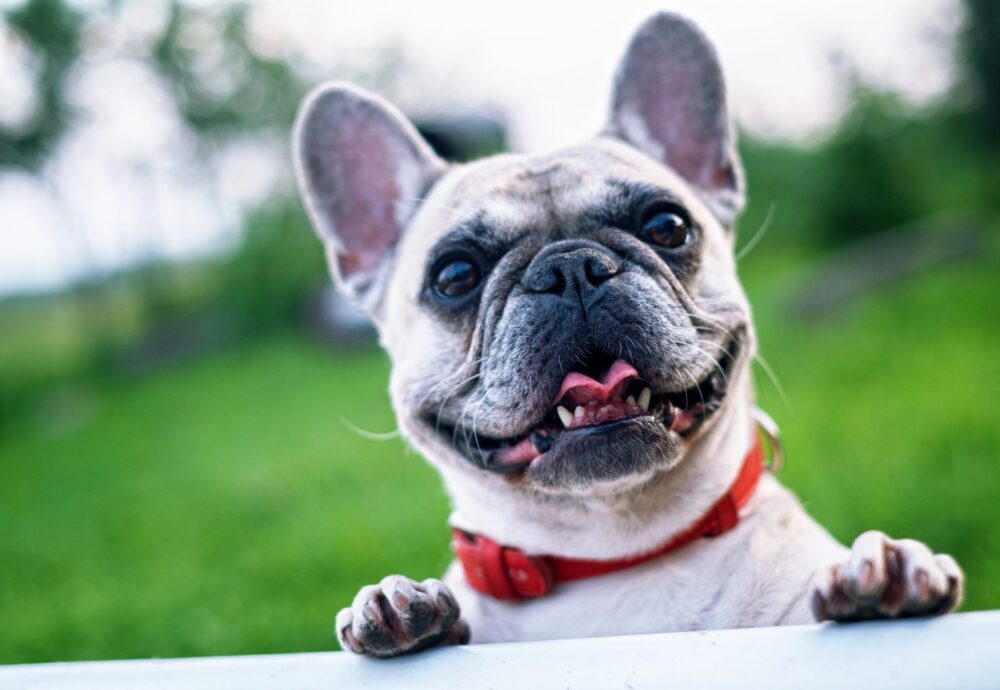



Canine air travel has seen a significant rise in popularity in recent years. As our society becomes increasingly mobile, more and more people are choosing to take their furry friends along on their adventures, whether for relocation, vacation, or other reasons. However, flying with dogs isn’t as simple as booking a ticket and hopping on a plane. There are various regulations, considerations, and best practices that pet owners need to understand and adhere to. Let’s delve into the world of dogs in the sky.
Table of Contents
ToggleFirstly, it’s important to understand that not all airlines are created equal when it comes to pet travel. Some airlines allow dogs in the cabin, while others only permit them in the cargo hold. Policies can vary greatly from one airline to another, so it’s crucial to research and choose an airline that best accommodates your pet’s needs.
When traveling with a dog, preparation is key. A trip to the veterinarian should be on your to-do list. Ensure that your dog is in good health and up-to-date with all necessary vaccinations. If your dog is prone to anxiety or motion sickness, discuss this with your vet as they may be able to prescribe medication to help alleviate these symptoms during the flight.
The size of your dog can significantly impact your travel options. Small dogs are typically allowed in the cabin, provided they are in an airline-approved carrier that fits under the seat in front of you. Larger dogs, however, usually have to travel in the cargo hold. This area is pressurized and temperature-controlled, but it can be a stressful environment for some dogs.
If your dog has to travel in the cargo hold, invest in a sturdy, well-ventilated, and comfortable crate. Label the crate with your contact information and a sign saying “Live Animal”. Include a familiar blanket or toy in the crate to provide comfort and a sense of familiarity to your dog.
Feeding your dog before the flight can lead to an upset stomach. It’s recommended to feed them at least four hours before the flight. Always ensure your dog is well-hydrated and has had a chance to relieve itself before boarding.
Understanding airport protocols for pets is also important. Some airports have specific pet relief areas, while others may require that pets remain in their carriers at all times. Be sure to research this ahead of time to avoid any surprises or complications on the day of your flight.
Lastly, consider the destination you are traveling to. Some countries have strict quarantine laws for incoming pets, while others may require specific vaccinations or documentation. Check with the embassy or consulate of your destination country to ensure you have all the necessary paperwork.
The Regulation Landscape: How Airlines Accommodate Dogs
Airline Policies and Pet Travel Options
Each airline establishes its own policies regarding pet travel. Some airlines allow small dogs to travel in the cabin, typically in a carrier that fits under the seat, while larger dogs usually travel in the cargo hold. These regulations are put in place to ensure the safety and comfort of both pets and passengers.
U.S. Department of Transportation Guidelines
The U.S. Department of Transportation regulates pet travel and requires airlines to report incidents involving the loss, injury, or death of pets during air transportation. This information is crucial for both improving pet travel safety and informing pet owners about the risks associated with flying with their dogs.
Safety Standards and Requirements
Airlines have specific safety standards for pet carriers and crates used during air travel. These standards are in place to ensure that dogs are secure and comfortable throughout the journey. It’s essential for pet owners to comply with these requirements to guarantee a smooth travel experience for their furry companions.
Navigating the Canine Air Travel Experience
In-Cabin Travel for Small Dogs
For small dogs that meet airline size and weight criteria, in-cabin travel is an option. Pet owners must comply with airline regulations regarding carriers and follow specific guidelines for pet behavior during the flight.
Cargo Hold Travel for Larger Dogs
Larger dogs typically travel in the cargo hold, where they are accommodated in secure and climate-controlled areas. Pet owners must provide appropriate crates or carriers that meet the airline’s standards for the safety and comfort of their pets.
Expert Guidance from Dr. Jessica Vogelsang
Renowned veterinarian Dr. Jessica Vogelsang recommends that pet owners consult with their veterinarians before air travel. This pre-travel consultation helps address any health concerns, ensures pets are fit for travel, and provides guidance on necessary precautions or medications.
American Kennel Club Guide: Preparing for Canine Air Travel
The American Kennel Club (AKC) offers a comprehensive guide for pet owners planning air travel with their dogs. The guide covers various aspects, including choosing the right carrier, preparing pets for the journey, and understanding airline policies and regulations.
Key Takeaways: Ensuring Safe and Comfortable Travel for Dogs
Understanding Airline Policies
Before booking a flight, thoroughly review the airline’s policies regarding pet travel. Understand the specific requirements for carriers, size restrictions, and any additional fees associated with bringing a dog on board.
Prioritize Pet Comfort and Safety
Ensure that your dog’s carrier or crate complies with airline standards and provides ample comfort for your furry friend. Familiarize your pet with the carrier beforehand to reduce anxiety during the journey.
Consult with Veterinarians
Seek guidance from a veterinarian before traveling with your dog. Discuss any health concerns, necessary vaccinations, and strategies to keep your pet calm and comfortable during the flight.
Acclimatize Pets to Travel
Gradually introduce your dog to the carrier or crate and associate it with positive experiences. This helps reduce stress and anxiety associated with air travel.
Stay Informed and Prepared
Stay updated on airline regulations and guidelines for pet travel. Pack essentials such as food, water, medication, and comfort items to ensure your dog’s well-being throughout the journey.
Monitor Pet’s Well-being
During the flight, stay attentive to your dog’s behavior and well-being. Ensure that they are comfortable and calm, offering reassurance and comfort as needed.
Post-Travel Health Check
After arriving at the destination, conduct a health check on your dog. Look for any signs of stress, discomfort, or health issues and consult a veterinarian if necessary.
Conclusion
Traveling with your dog can be a rewarding experience, but it’s not without its challenges. By understanding airline regulations, preparing your dog for the journey, and being aware of the requirements at your destination, you can make the process smoother and less stressful for both you and your furry friend. Remember, the safety and comfort of your pet should always be your top priority when traveling by air.
In conclusion, canine air travel has become increasingly common as people bring their furry companions along on their journeys. However, responsible pet ownership means understanding how dogs travel on planes, from regulations to best practices. So, next time you plan a trip with your furry friend, remember these tips to ensure a safe and enjoyable journey for all.


